Mold can begin to grow on damp materials within about 24 to 48 hours. It needs moisture, a food source such as drywall or wood, and time. Drying quickly is the best prevention.
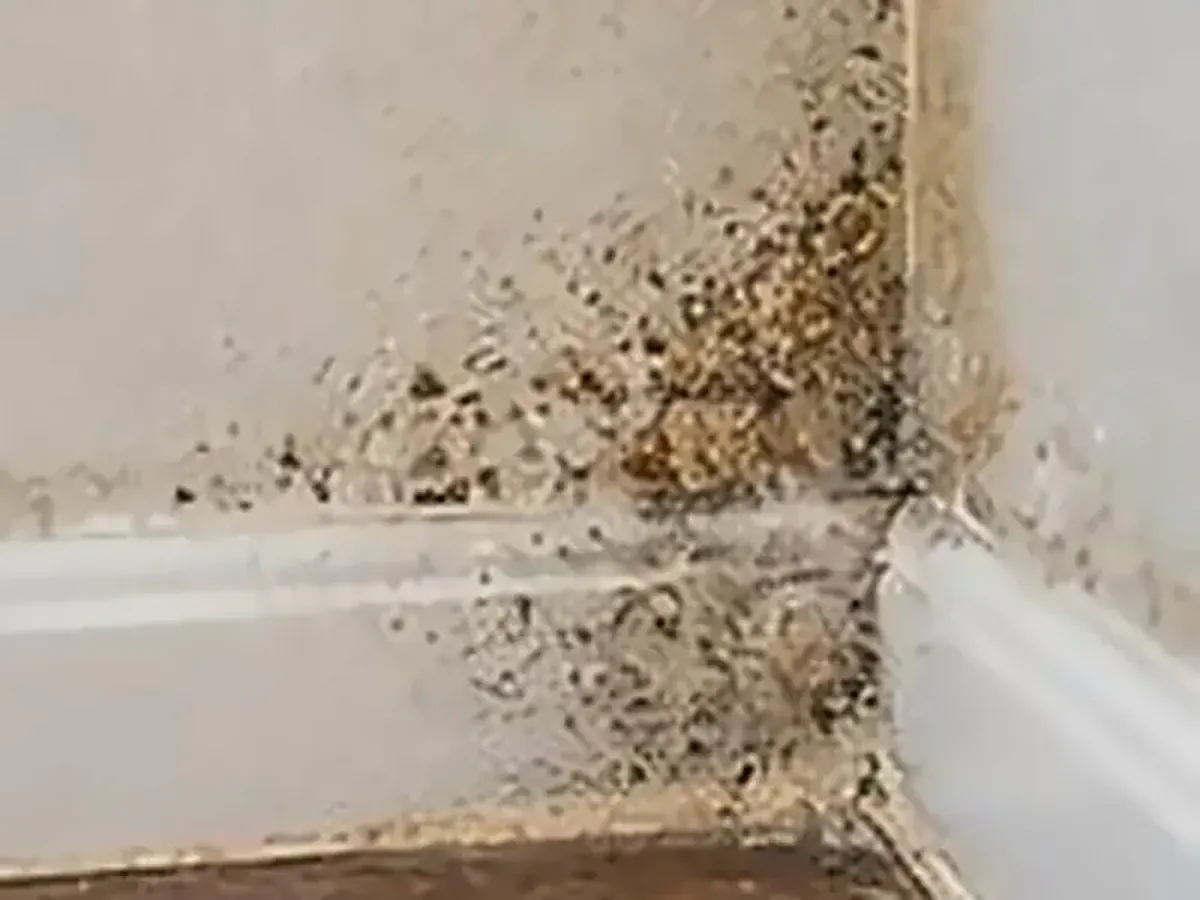
The Typical Timeline
- Within a day: spores settle on wet surfaces
- Days two to three: growth can begin on drywall and wood
- After one week: colonies may be visible
- After several weeks: materials weaken and odor builds
What Mold Needs
Mold needs moisture, organic material and the right temperature. Most indoor temperatures work. Removing moisture is the key step.
Utah Context
Utah is dry outdoors, but finished basements, bathrooms and closed rooms can stay damp. Snowmelt basement leaks and slow plumbing leaks are common starting points.
When to Get Help
- Visible growth larger than a small patch
- Musty smell after a leak that was dried
- Water stains that keep coming back
- Anyone in the home has respiratory symptoms that seem linked to the room
Prevention
Fix leaks fast, run dehumidifiers in basements, keep humidity below levels recommended by the EPA and dry materials thoroughly after any loss.
Frequently Asked Questions
Is Black Mold Always Dangerous?
Color alone does not tell you. Many molds are black. Focus on removing moisture and cleaning.
Should I Test for Mold?
Testing is optional in many cases. A qualified assessor can advise on when it helps.
Can Bleach Kill Mold?
Bleach does not solve porous material problems and is not generally recommended as a primary method.
Related Reading
Mold Remediation After Water Damage
Containment, removal and drying when mold follows a leak or flood.
Structural Drying And Dehumidification
Air movers, dehumidifiers and moisture mapping that bring a structure back to normal.
Crawl Space And Basement Moisture
Standing water, damp insulation and humidity under floors.
Sources And Further Reading
Last reviewed November 2026. This guide is general information and not legal, insurance or engineering advice. For statewide help see the Utah water damage restoration help.