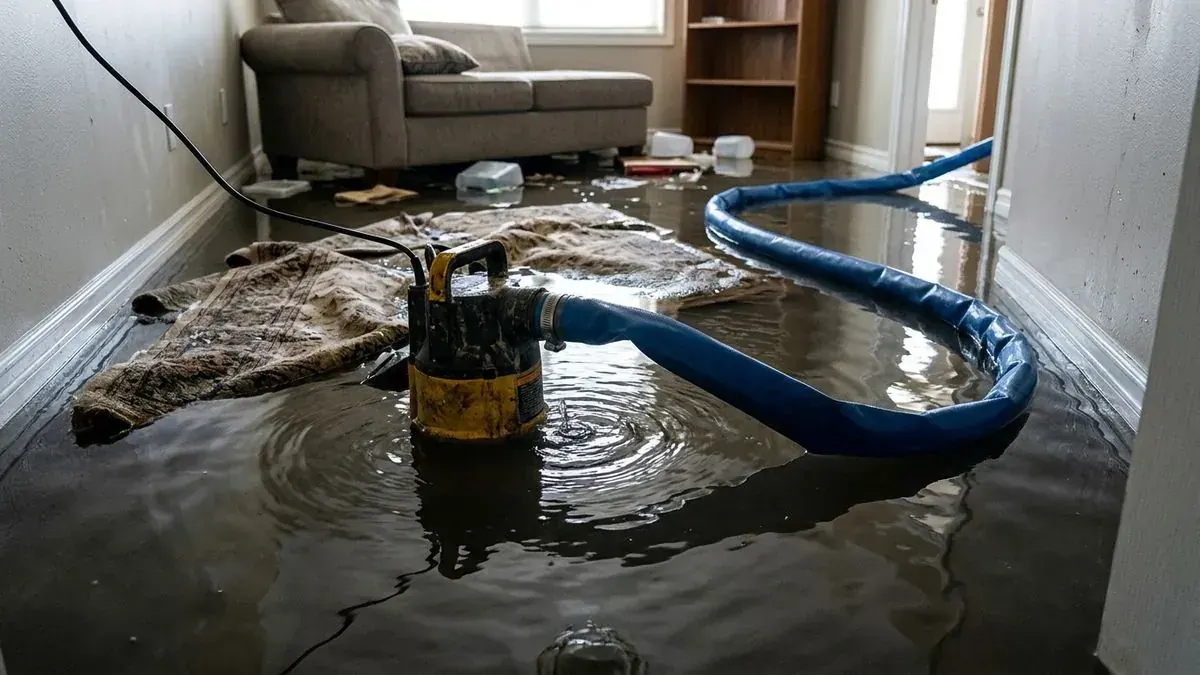
Water extraction is the first physical step in most losses. Crews use submersible pumps for deep water and wet vacuums or truck mounted extractors for carpet and hard floors. The faster the water is out, the less drying is needed afterward.
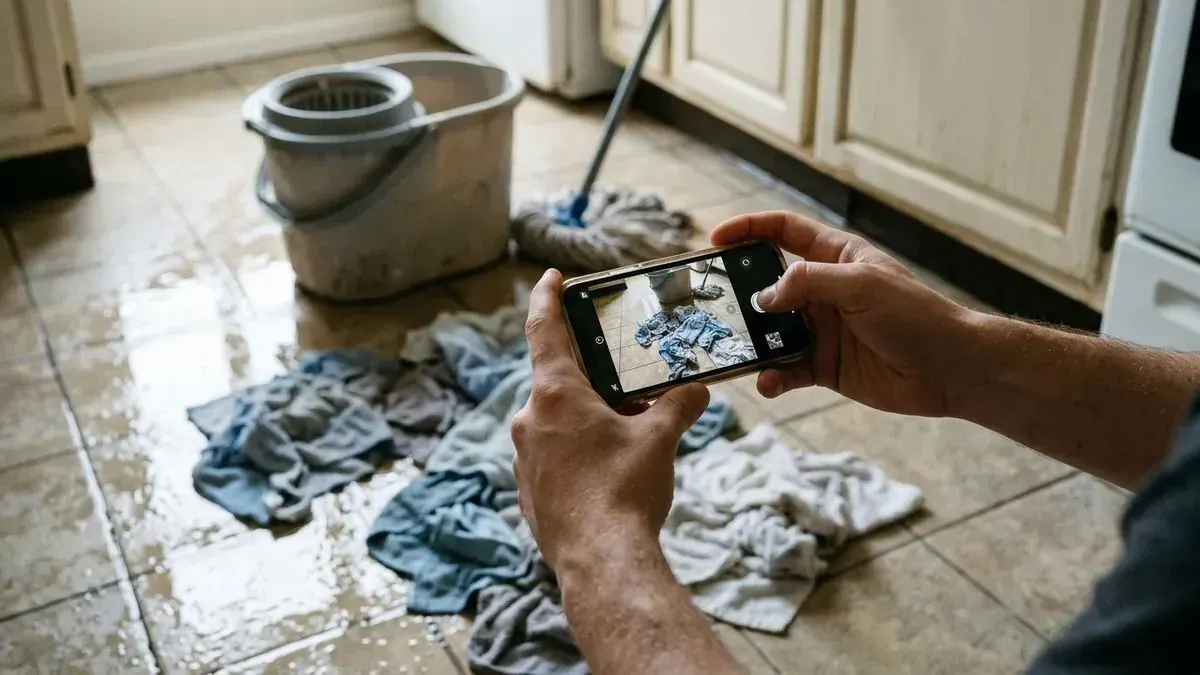
What Water Extraction And Removal Involves
Extraction removes bulk water before drying equipment is set. A pump handles inches of water in a basement. A weighted extraction wand pulls water out of carpet and padding. On hard floors, squeegees and wet vacuums finish the surface and the gaps along baseboards.
Removing water mechanically is far more efficient than evaporating it. Every gallon pulled out by pump is a gallon your dehumidifiers do not have to handle, which usually means fewer drying days and lower total cost.
Why This Matters In Utah
Utah basements often fill from the bottom up through the floor drain, the sump pit or the window wells, so water can be deep and cold during spring runoff. In older Salt Lake City and Ogden neighborhoods, brick and block foundations seep through the walls. Crews working here often pump first, then check the sump system so water is not simply returned to the same spot.
Signs You May Need Help
- Standing water over an inch deep
- Squishy carpet when you step on it
- Water in a window well or against a basement wall
- A floor drain that is backing up
- Damp air that feels heavy in the room
How The Process Usually Works
- Check The Hazards. Look for electrical hazards and possible contamination before anyone enters standing water.
- Pump The Bulk Water. Submersible pumps move deep water to a safe discharge point away from the foundation.
- Extract From Surfaces. Wands and wet vacuums pull water from carpet, padding and hard floors.
- Remove What Cannot Dry. Saturated padding and soaked insulation usually come out early.
- Hand Off To Drying. Air movers and dehumidifiers take over once free water is gone.
Common Mistakes To Avoid
- Using a standard shop vac on deep water without checking its rating
- Pumping a basement too quickly while the ground outside is still saturated, which can stress walls
- Draining water next to the foundation where it can return
- Skipping the padding removal
What Affects The Cost
Extraction is often the smaller part of the bill because it takes hours rather than days. The size of the area, depth of water, number of rooms and whether the water is clean or contaminated change the price. The independent company sets the price and should explain it in writing.
Looking for the main page? Visit the statewide Utah water damage restoration or see where we connect callers.
Where We Connect Callers
We list ZIP codes across the state. Popular city pages:
Salt Lake CityWest Valley CityWest JordanSandyProvoOremLehiLaytonOgdenPark CityLoganCedar City
Frequently Asked Questions
Can I Rent a Pump and Do It Myself?
You can for clean water, but you also need to dry the structure afterward. Extraction alone does not finish the job. Wet drywall, framing and subfloor still hold moisture.
How Do Crews Know When the Water Is Gone?
They use moisture meters and thermal cameras to confirm surfaces, not just whether the floor looks dry.
Does Contaminated Water Change the Process?
Yes. Water from a sewer line or a flooded yard is treated differently. See our guide to Category 1, 2 and 3 water damage.
Related Services
Emergency Water Damage Restoration
Active leaks, standing water and urgent drying, with a call line that connects you to a local crew.
Flood Damage Cleanup
Cleanup after flash floods, runoff and overland flooding that homeowners policies often exclude.
Structural Drying And Dehumidification
Air movers, dehumidifiers and moisture mapping that bring a structure back to normal.
Sump Pump Failure Water Damage
What to do when a pump fails, loses power or cannot keep up with groundwater.